Restorative Dentistry
Cracked, decayed, or worn teeth can interfere with comfort, chewing efficiency, and overall bite balance. Restorative care aims to rebuild tooth form while conserving remaining healthy enamel. When evaluating options with restorative dentists in Nashville, TN, the assessment includes tooth integrity, occlusal relationships, and periodontal health before determining the most suitable restorative approach.
Addressing Structural Damage And Tooth Loss
Untreated decay or cracks may extend beyond the enamel and affect the underlying dentin. Damaged tooth repair in Nashville begins with identifying the extent of structural breakdown and determining whether reinforcement or replacement is necessary. Within a structured restorative dental clinic, diagnostic imaging and examination guide decisions about fillings, crowns, or other restorative dental procedures designed to restore function.
Conservative Techniques For Tooth Preservation
Whenever feasible, minimally invasive restoration techniques are selected to conserve existing tooth structure. During comprehensive restorative care planning, materials are chosen based on durability, compatibility, and long-term performance. In cases involving a restorative dentist in Nashville, TN, careful preparation and accurate placement allow restorations to blend harmoniously with adjacent teeth and established occlusion.
Rebuilding Function With Targeted Treatment
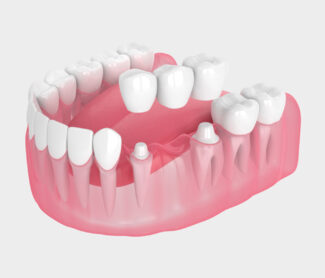
Restorative dental treatment may include bonding, crowns, inlays, or bridges, depending on the severity of damage. Treatment selection is guided by structural requirements instead of appearance alone. Within coordinated restorative dental services, focus is placed on occlusal alignment and force distribution to reduce excessive stress on adjacent teeth.
Long-Term Monitoring And Maintenance Planning
Properly placed restorations still require routine reassessment. Routine examinations evaluate margin integrity, bite changes, and overall oral health to detect early concerns. Ongoing care within a structured restorative dental clinic permits early modifications before complications arise, helping maintain comfort and durability.
Frequently Asked Questions
Cracked teeth, extensive decay, worn enamel, or missing teeth often require intervention to rebuild structural integrity and chewing efficiency. A clinical evaluation determines which procedure is most appropriate.
Most procedures are done with local anesthesia to maintain comfort. Short-term sensitivity may develop but generally subsides as the tooth recovers.
Longevity depends on the type of material used, bite forces, and oral hygiene habits. Routine evaluations can prolong the durability and performance of restorations.
Yes. When damage is limited, conservative techniques can strengthen remaining enamel while conserving natural tooth structure.