Dental Bridges
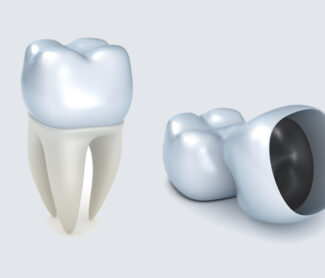
Missing teeth can interfere with chewing efficiency, speech clarity, and overall occlusal balance. When a gap remains untreated, surrounding teeth may shift and alter alignment. A restorative dental bridge replaces one or more missing teeth while helping preserve alignment and function. In cases involving dental bridges, evaluation includes bone support, condition of neighboring teeth, and functional objectives before determining the most suitable replacement method.
Replacing Missing Teeth With Stability
A bridge restores a gap created by tooth loss by securing to adjacent teeth or implants. During discussions about dental bridges near me, clinical assessment focuses on gum health, bite force distribution, and the strength of supporting structures. The objective is to improve chewing efficiency while limiting excess force on supporting teeth and preserving alignment.
Options for Implant-Supported Solutions
In some situations, an implant-supported bridge provides support when natural anchor teeth lack sufficient strength. This approach uses dental implants to provide independent stability for the restoration. Within comprehensive tooth bridge services, careful planning determines implant positioning, load distribution, and long-term durability. Implant anchorage can contribute to bone preservation and decrease pressure on adjacent natural teeth.
Cosmetic Restoration For Visible Areas
When tooth loss affects the visible smile area, esthetic considerations become especially important. A Bridge for front teeth requires precise shade matching, contour design, and margin adaptation to blend with adjacent enamel. Patients exploring tooth bridges near me often discuss esthetic expectations along with functional needs. Accurate contouring and positioning support natural appearance and balanced occlusion.
Long-Term Maintenance And Replacement Planning
Over time, bridge replacement treatment can become necessary because of wear or material changes. Routine evaluations assess fit, gum health, and occlusal stability to detect early concerns. Within coordinated care for oral bridge, conservative adjustments may extend longevity and support ongoing function.
Frequently Asked Questions
Longevity depends on oral hygiene, bite forces, and the condition of supporting teeth or implants. Many bridges remain stable for years with consistent hygiene and periodic evaluation.
Preparation and placement are performed under local anesthesia to maintain comfort. Temporary sensitivity can develop after placement and typically subsides as the surrounding tissues adjust.
A traditional bridge depends on the neighboring teeth for support, while an implant-supported bridge is anchored to dental implants. The choice depends on bone support, bite dynamics, and overall structural stability.
Yes. Careful shade selection and contouring allow front-tooth bridges to improve both function and appearance while blending proportionately with adjacent teeth.