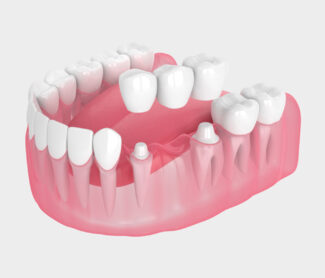
Dental Crowns
A compromised tooth can often be preserved rather than extracted. Rebuilding the outer surface helps protect the root and maintain internal support. When fracture lines, large fillings, or advanced wear threaten long-term integrity, a crown can reinforce the remaining structure and help prevent further breakdown. This method redistributes bite pressure while conserving healthy enamel through controlled technique.
Structural Damage And Functional Bite Risk
Cracks, extensive decay, and heavy bite pressure can compromise enamel beyond simple filling repair. Within restorative planning, dental crowns Nashville, TN treatment is structured around stabilizing remaining tooth structure before fractures deepen or discomfort increases. The goal is not cosmetic change alone but controlled reinforcement. Encasing weakened enamel helps spread occlusal forces and limits additional cracking.
Careful Precision During Crown Preparation Procedure
To support tooth structure preservation, the crown preparation procedure must remove only the necessary portion of enamel while shaping the tooth for an accurate fit. During an evaluation for a dental crown near me, attention often turns to preserving natural enamel and reinforcing weakened areas. Digital imaging and detailed measurements guide preparation so margins remain clean, sealed, and biologically compatible with surrounding gum tissue.
Material Selection And Long Term Esthetic Balance
Strength and appearance must work together in Restorative Dental Treatment. In conversations about crown teeth near me, material strength, shade harmony, and occlusal balance are prioritized over cosmetic changes alone. The chosen material should withstand daily chewing pressure without placing excess stress on adjacent teeth. Proper contouring also helps maintain healthy contact points, which reduces food impaction around the restored tooth.
Controlled Stability Through Permanent Crown Placement
The selected material plays a measurable role in how well the restoration performs over time. Ceramic dental crowns are often selected when strength and natural translucency must coexist, particularly in areas visible during speech or smiling. During permanent crown placement, the restoration is carefully seated to confirm proper bite alignment and edge adaptation. Minor adjustments are completed prior to bonding so the bite remains stable and adjacent teeth are not overstressed.
Final Secure Retention With Dental Cementation
Retention is achieved through dental crown cementation, a controlled bonding step that seals the crown to the prepared tooth. Porcelain dental crowns are evaluated for margin accuracy and internal fit before cement is applied to create a stable interface between tooth and restoration. A secure seal helps limit bacterial infiltration and promotes long-term gum health. After bonding, the restoration shields exposed dentin and contributes to a more balanced chewing function.
Crown Stability and Long-Term Expectations
A properly fitted crown often lasts for many years with consistent oral hygiene and routine bite monitoring. Longevity depends on material selection, chewing forces, and regular dental evaluations.
The preparation process is performed under local anesthesia to maintain comfort. Some short-term sensitivity may follow, but it usually subsides as surrounding tissues adapt.
Often, it can. If the root remains healthy and the fracture has not extended too deeply, a crown may help stabilize the remaining structure and limit further damage.
Before final bonding, the crown is evaluated for precise fit and bite alignment. Necessary refinements are completed before bonding permanently anchors the restoration to the prepared tooth.