
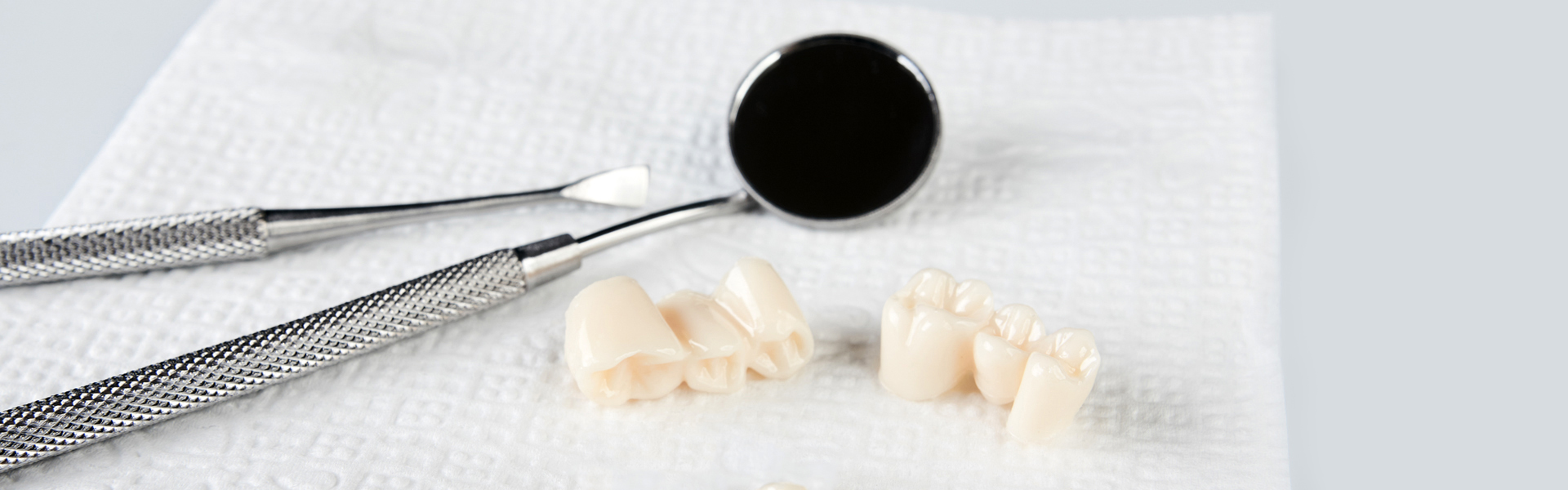
How Dental Crowns Help Prevent Cracks from Turning Into Tooth Loss
A small crack in a tooth may not seem urgent at first. Many people ignore mild sensitivity or occasional discomfort, assuming it will go away on its own. Unfortunately, untreated cracks can deepen over time. When that happens, bacteria can enter the inner layers, increasing the risk of infection, pain, or even tooth loss. In many cases, dental crowns can strengthen weakened teeth before the damage worsens.
Why Cracked Teeth Should Never Be Ignored
Tooth enamel is strong, but it is not indestructible. Daily chewing pressure, teeth grinding, accidents, and large fillings can weaken a tooth over time. The American Association of Endodontists reports that cracked teeth are commonly associated with tooth loss in adults.
A tooth fracture may begin as a small line that is difficult to notice. Over time, normal chewing pressure can cause the damage to spread.
Common warning signs include:
- Pain when chewing
- Sensitivity to hot or cold foods
- Sudden discomfort when releasing biting pressure
- Swelling around the tooth
- Intermittent tooth pain
Some cracks remain superficial, while others extend into the root. Early treatment makes a significant difference in preserving the natural tooth.
How Tooth Crowns Protect Damaged Teeth
A dental crown provides added support for weakened teeth, helping them withstand everyday pressure more effectively. Tooth crowns restore strength, stability, and function while protecting the remaining healthy structure.
When a tooth has a crack, the crown acts like a protective shield. It holds the tooth together and reduces pressure during chewing. This added support reduces stress on the damaged area and lowers the risk of further splitting.
What Makes Crowns Effective for Cracked Teeth?
Crowns work because they:
- Protect the entire exposed surface of the damaged tooth
- Distribute chewing forces evenly
- Reduce stress on weak enamel
- Prevent bacteria from entering deeper cracks
- Restore normal biting function
Modern crowns are commonly made from porcelain, ceramic, zirconia, or metal-supported materials. Your dentist recommends the best option based on the tooth’s location and condition.
Signs a Cracked Tooth May Need a Crown
Not every crack requires the same treatment. Minor surface lines, called craze lines, are often harmless. However, deeper fractures usually need prompt attention.
A dentist may recommend a crown if:
- The tooth is painful during chewing
- A large filling has weakened the tooth
- Part of the tooth has broken off
- The crack extends beyond the enamel
- The tooth recently had root canal treatment
A complete dental evaluation, including digital imaging, helps assess how far the fracture has progressed.
The Risks of Delaying Treatment
Many patients wait until the pain becomes severe before seeking care. Unfortunately, cracks often worsen silently.
If a crack reaches the inner pulp, the tooth may become infected. In advanced cases, the fracture can extend below the gumline, making the tooth impossible to save.
Delaying treatment can lead to:
- Root canal infections
- Gum inflammation
- Tooth abscesses
- Difficulty chewing
- Tooth extraction
Early intervention often allows the tooth to be preserved with a crown rather than removed.
What to Expect During the Crown Procedure
Getting a crown is a straightforward process for most patients. The procedure typically involves two visits, although some offices offer same-day restorations.
- Step 1: Examination and Preparation
The dentist examines the crack and removes any damaged areas. The tooth is then shaped so the crown fits securely.
- Step 2: Impressions
Detailed impressions or digital scans are taken to create a crown that fits comfortably with your bite and appearance.
- Step 3: Temporary Crown Placement
A temporary crown protects the tooth while the permanent crown is being fabricated.
- Step 4: Final Crown Placement
The dentist then cements the permanent crown onto the tooth to provide long-term protection and stability. The dentist checks the fit and bite alignment before completion.
Recovery time is usually minimal, allowing many patients to get back to normal activities the same day.
Can a Crown Save Every Cracked Tooth?
Crowns are highly effective, but not every cracked tooth can be restored. The outcome depends on how far the fracture has progressed.
Teeth with shallow to moderate cracks often respond very well to crowns. However, vertical root fractures or severe splits below the gumline may require extraction.
Prompt evaluation improves the chances of saving the tooth before the fracture worsens. Seeing a dentist in Nashville, TN, at the first sign of discomfort improves the chances of saving the tooth.
How to Prevent Tooth Cracks in the Future
While not all cracks are avoidable, several habits can significantly reduce your risk.
Smart Preventive Habits
- Avoid chewing ice or hard candies
- Wear a mouthguard during sports
- Use a nightguard if you grind your teeth
- Do not use teeth to open packages
- Schedule regular dental checkups
- Treat cavities before they weaken the tooth
Patients who clench or grind their teeth often place excessive pressure on enamel during sleep. Over time, this repeated force can contribute to fractures.
Expert Insight on Long-Term Tooth Preservation
Dentists focus on preserving natural teeth whenever possible. A healthy natural tooth helps maintain jawbone support, bite balance, and comfortable chewing.
Crowns are considered one of the most reliable restorative options because they strengthen compromised teeth while preserving as much healthy structure as possible.
According to research featured in the Journal of Prosthetic Dentistry, many crowns can last more than a decade with consistent maintenance and dental checkups. Consistent oral hygiene and regular dental visits play an important role in longevity.
Final Thoughts on Protecting Cracked Teeth
Small tooth fractures can quickly become serious problems when left untreated. Early care is one of the best ways to avoid infection, severe pain, and tooth loss. Dental crowns can restore strength, protect weakened teeth, and support long-term oral health.
For patients seeking personalized restorative care, Gorham & Ammarell Dentistry offers comprehensive treatment options to help preserve natural teeth and enhance everyday comfort.
Frequently Asked Questions
No. Unlike bones, teeth cannot naturally repair cracks. Once enamel fractures, professional treatment is needed to prevent worsening damage.
Most patients experience minimal discomfort. Local anesthesia is used during treatment to keep the procedure comfortable.
Many dental crowns continue to function well for over a decade when supported by proper hygiene and regular checkups.
Yes. After the permanent crown is placed, most patients can eat comfortably and resume normal chewing function.
No. A root canal is only necessary if the crack affects the inner pulp or causes infection.
Patients should choose an experienced dental provider who evaluates cracks early and recommends personalized restorative care based on the tooth’s condition.